
The recommended limit for women is just one 5 oz glass per day. One bottle (750ml) holds about five 5oz glasses and delivers around 600 calories. Skin can recover surprisingly fast once alcohol use stops. Within weeks, hydration and collagen production starts to normalize. Oiliness, acne, redness, and capillaries will improve within weeks as well. Fine lines and premature aging effects may take a few months to reverse as skin cell turnover and regeneration improve.
What Does Alcohol Do to Your Face? The Visible Impact of Drinking
Understanding the impact of alcohol on skin moisture is essential for maintaining healthy and hydrated skin. Yes, reducing or quitting alcohol can help improve skin texture, hydration, and overall facial appearance. Drinking plenty of water, following a healthy skincare routine, and eating what is alcoholism a nutrient-rich diet can speed up skin repair.
- The amount of improvement will depend on the severity of the damage and how long you have been drinking.
- Alcohol can cause facial blood vessels to dilate and break resulting in the appearance of red veins beneath the skins surface.
- This can even lead to permanent redness or visible blood vessels.
Does Alcohol Cause Acne?
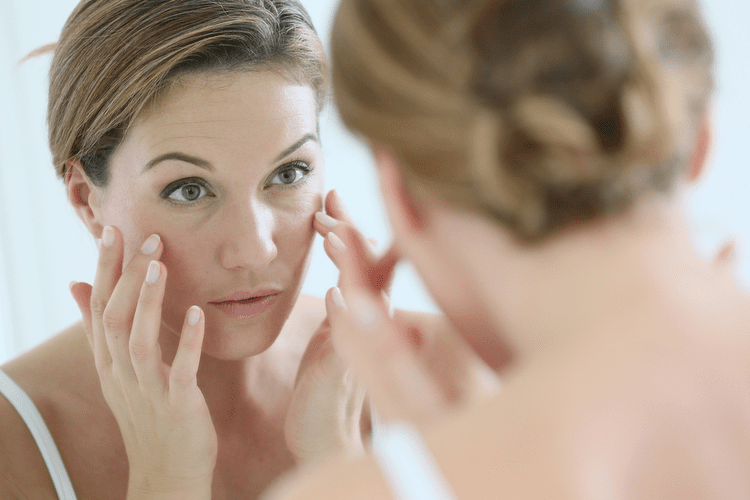
Since alcohol also interferes with nutrition you can see other differences in the skin from lack of vitamins. A deficiency in vitamins A, C, and Zinc can all cause problems in the skin. Blood sugar fluctuations can even cause premature aging, and disruptive hormonal balance can trigger breakouts. Yes, alcohol can cause face swelling due to inflammation, fluid retention, and poor circulation.
Take Care of Your Skin Hydration

They should speak with a doctor or dermatologist to find the most suitable treatment for them. This article discusses how alcohol affects your skin some of the short and long-term effects that drinking alcohol can have on a person’s skin. As the skin loses moisture due to dehydration, the cells that make up the skin begin to age and die prematurely. Skin cells have a normal cycle of drying out and sloughing off once the new skin cells underneath it are ready to become the surface layer. Sugar worsens inflammation and glycation, accelerating wrinkles. Spirits and wines are always good options to avoid sugar.
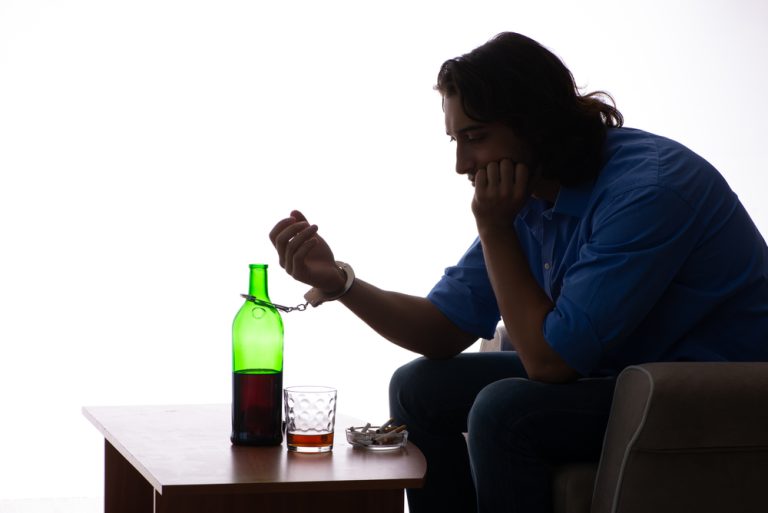
One of the effects of alcohol on the skin is its role in promoting inflammation and redness. Understanding how alcohol contributes to these skin issues is essential for maintaining healthy skin. Alcohol causes blood vessels to expand, leading to redness and inflammation.